
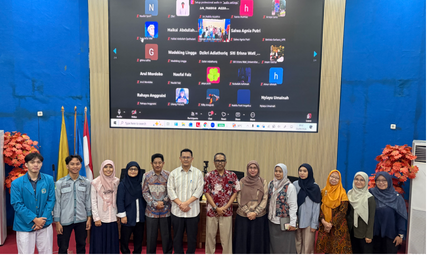
The opening of the annual GANTARI 2026 event series, organized by the Agribusiness Study Program, Faculty of Science and Technology (FST) UIN Syarif Hidayatullah Jakarta, commenced with the National Conference on Wednesday (23/9). Serving as a scientific discussion forum, this conference presented 17 selected research papers delivered by academics, researchers, and students from various institutions across two parallel rooms. Room 1 focused in-depth on Theme 002 (Innovation, Technology & Sustainable Agricultural Systems) with 8 selected papers, while Room 2 hosted 9 papers covering Theme 001 (Human Resources and Agricultural Institutions), Theme 003 (Agribusiness, Financing & Competitiveness), and Theme 004 (Policy, Security & Sustainability of Food Systems).
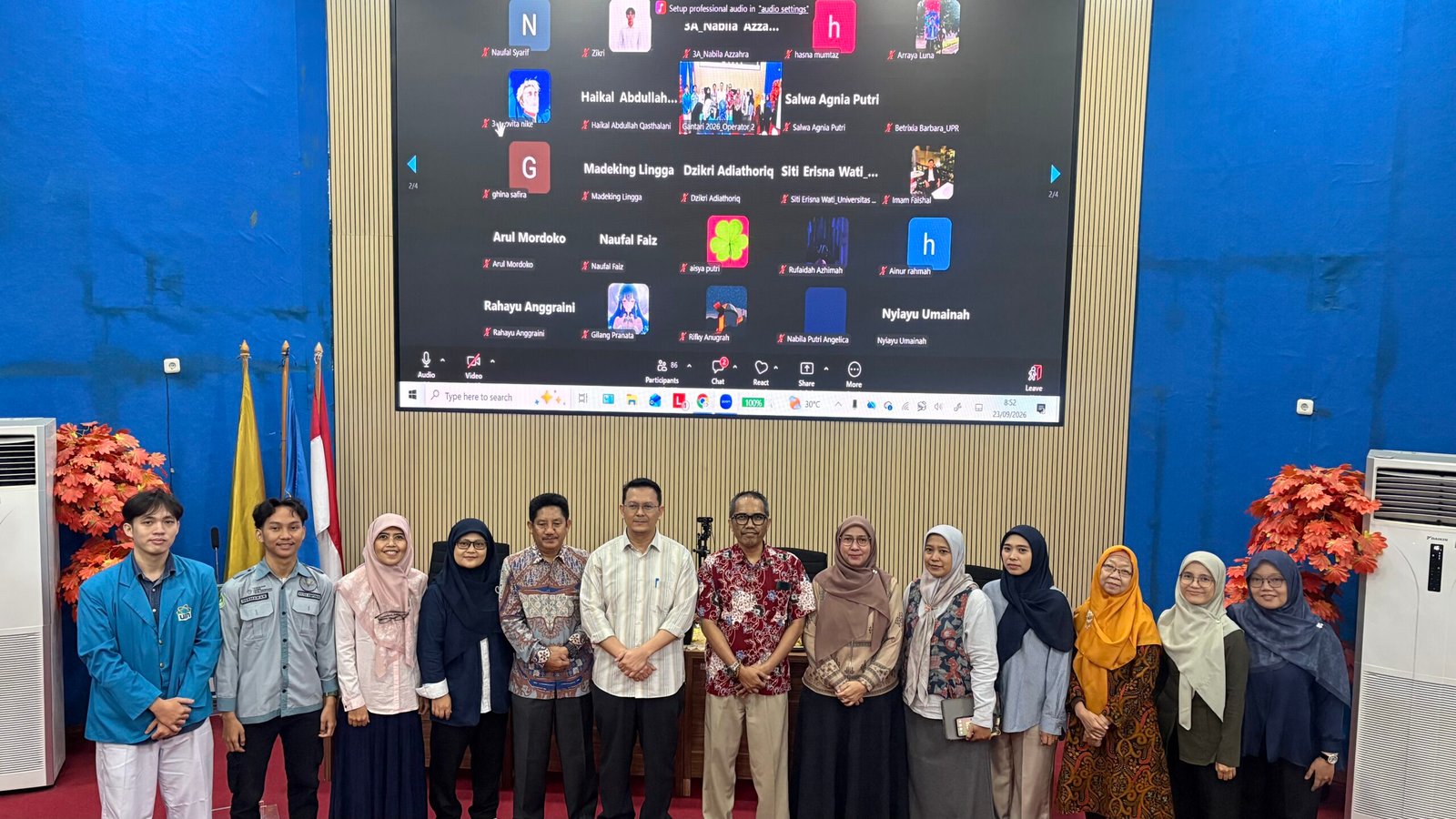
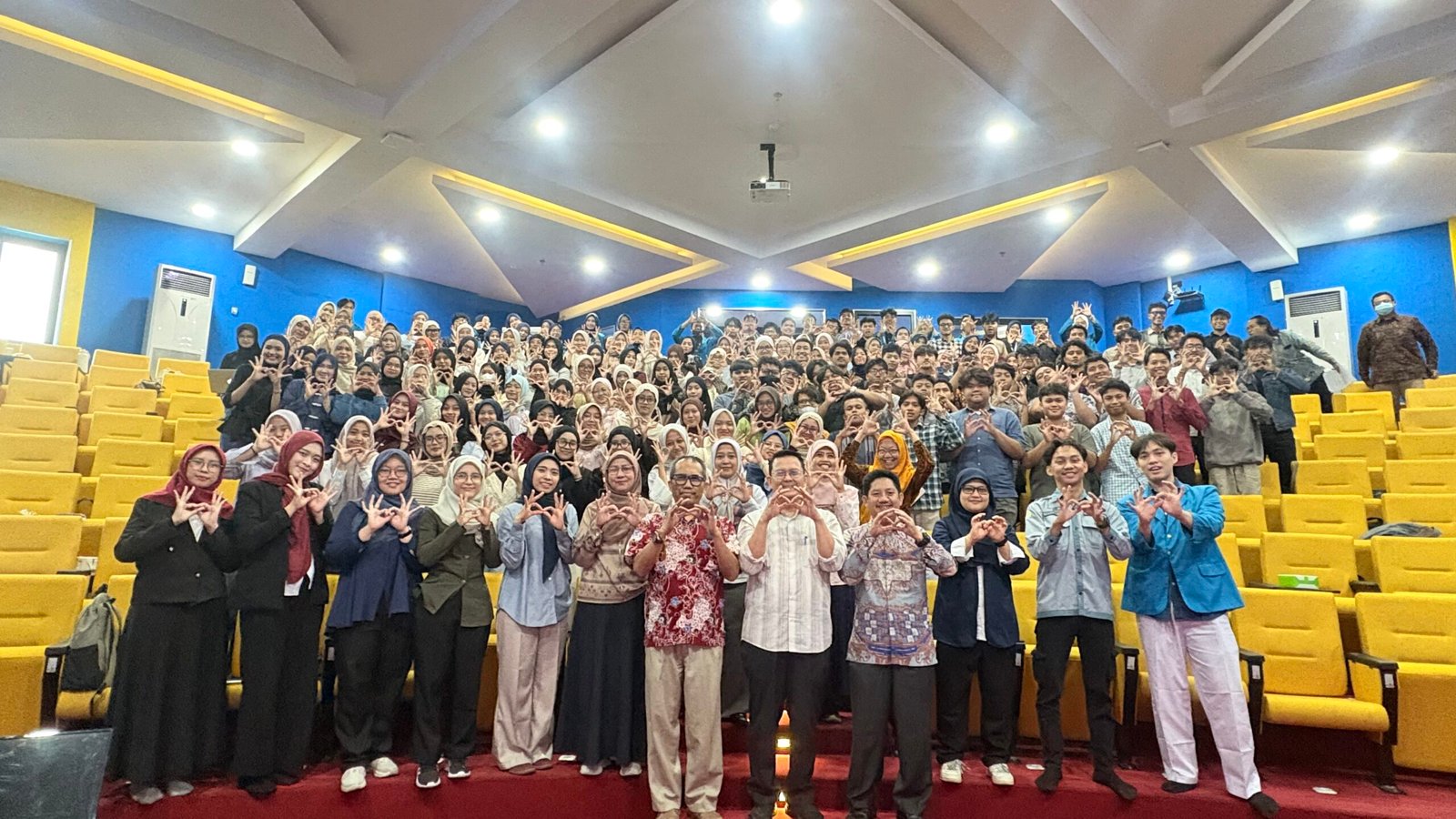
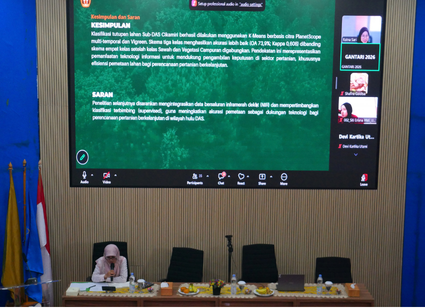
The GANTARI 2026 National Conference officially formulated four strategic pillars to drive the transformation and sustainability of Indonesia’s agricultural system. On the Human Resource (HR) regeneration pillar, the conference highlighted the high proportion of agricultural extension workers aged over 40 and emphasized the importance of strengthening Generation Z’s agrarian literacy through experiential learning, internships, and agritech adoption. From an innovation perspective, the integration of biotechnology, artificial intelligence-based spatial monitoring such as XGBoost on Sentinel-2 imagery, and eco-friendly post-harvest technologies were proven to significantly enhance precision, productivity, and resource efficiency.
In addition to technology and HR, agribusiness competitiveness and national food security were deemed heavily dependent on financing ecosystems, market digitalization, and infrastructure quality. GANTARI 2026 research recorded that digital channels have dominated MSME revenue up to 89.7%, although business actors still face challenges regarding high market access costs. Meanwhile, strengthening women’s economic roles—contributing up to 55.16% to household income alongside improving irrigation infrastructure and road networks serve as crucial foundations in reducing regional disparities and maintaining national food system sustainability.
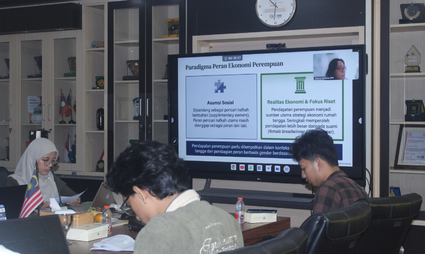
Through these research presentations and strategic formulations, participants successfully exchanged actionable ideas to address land-use conversion, youth farmer regeneration, and financing in Indonesia, laying a solid evidence-based foundation for national agricultural policy.