
Indonesia’s dependence on rice and wheat remains relatively high. Meanwhile, the country possesses abundant and diverse local food resources with significant potential for development. This condition highlights the importance of developing alternative food sources as part of efforts to strengthen national food security.
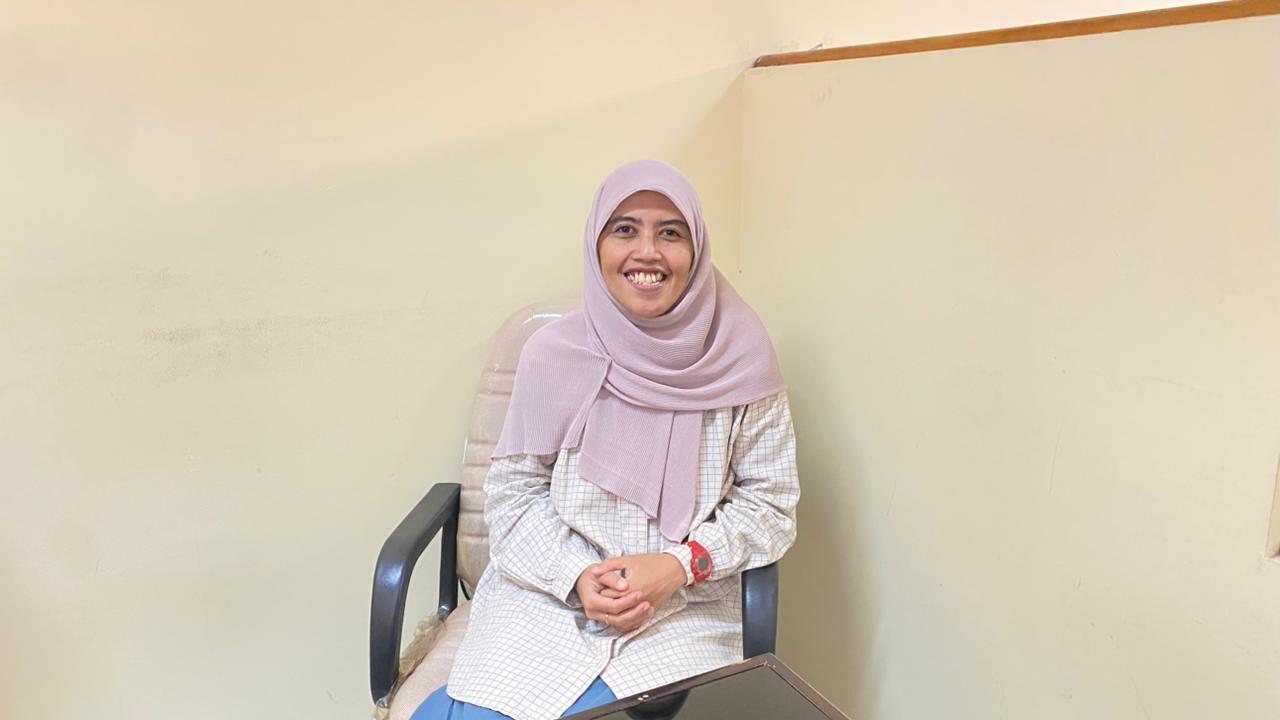
This was conveyed by Agustina Senjayani, SP., M. Si., a lecturer in Agribusiness at the Faculty of Science and Technology, UIN Jakarta, during an interview discussing alternative food. She explained that alternative food refers to food sources outside conventional staples such as rice, wheat, and corn, which have long dominated public consumption patterns.
According to Agustina, alternative food is developed as a substitute or complementary option to staple foods in order to meet nutritional needs, including calories, protein, and fat. As food demand continues to increase and conventional resources face limitations, innovation and food diversification are becoming increasingly relevant.
Indonesia is considered to have great potential for developing alternative food due to its tropical climate, rich biodiversity, and vast land and marine areas. Various local food sources such as legumes, non-rice cereals, and tubers can be utilized as valuable food resources. Tubers such as cassava, sweet potato, taro and porang, which is now processed into analog rice, are examples of local food commodities with strong development potential.
In addition to land based resources, marine based food sources are also viewed as having untapped potential. With marine areas covering nearly two-thirds of Indonesia’s territory, seafood resources offer significant opportunities to be developed as alternative food. In line with the blue economy concept, various marine-based food products are now being explored and promoted due to their high nutritional value.
Agustina noted that alternative food can play a strategic role in achieving food security. Food security is not only about national food availability, but also about the capacity of each region to independently meet its own food needs. Utilizing local food resources can help reduce dependence on imports, particularly wheat, which is still imported in large quantities.
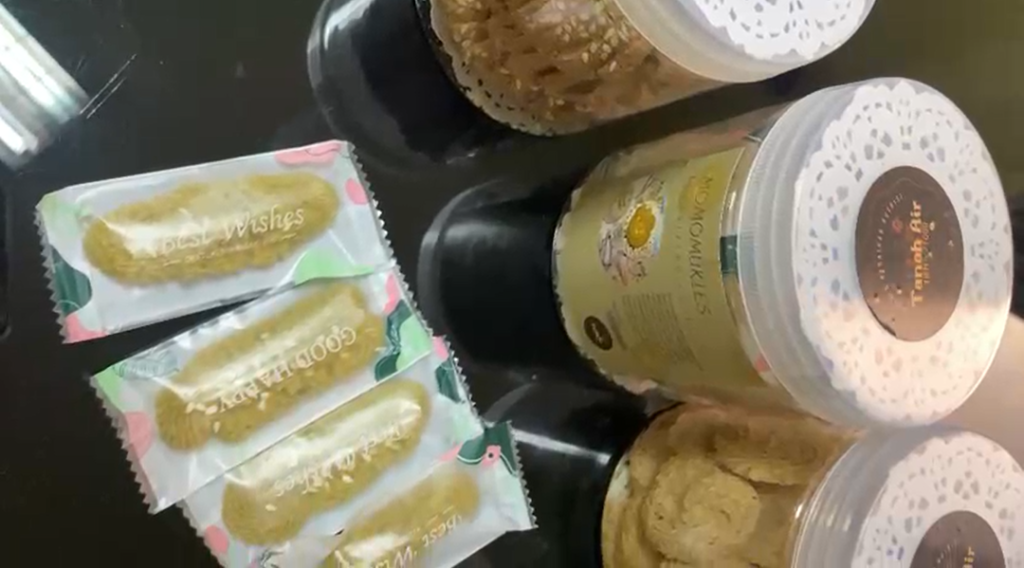
One example of substituting imported food ingredients is the development of Modified Cassava Flour (Mocaf) as an alternative to wheat flour. Mocaf is produced through the fermentation of cassava and can be used in various processed foods such as cookies and cakes. The use of this local ingredient is considered capable of supporting food security while increasing the added value of domestic agricultural products.
Despite its considerable potential, the development of alternative food faces several challenges. One major challenge is public acceptance, as alternative food has not yet become a mainstream choice. Consumer preferences that have long been shaped by conventional food demand alternative products to meet certain standards of quality, taste, and product characteristics.
Therefore, the development of alternative food needs to be carried out in a planned and sustainable manner, from upstream to downstream sectors. This includes raw material production, processing, product innovation, as well as support from industry and government policies. Public education is also a crucial step in increasing awareness and acceptance of alternative food.
The education sector also plays an important role in these efforts. In higher education institutions, particularly within Agribusiness study programs, the development of alternative food is carried out through practical activities and research. Students are encouraged to design and test food products based on local ingredients, such as cassava, taro, and glutinous corn flour, including fortified products enriched with nutritious ingredients like moringa leaves.
Through collaboration among academics, industry, communities, and the government, the development of alternative food is expected to continue strengthening. By maximizing local resource potential, Indonesia is believed to have significant opportunities to build a food system that is independent, sustainable.