
Agriculture is a very important sector in human life because it serves as the main source for fulfilling food needs. The availability of quality food greatly influences the health and well-being of society. Therefore, food production systems need to be carefully managed so that the food produced is not only sufficient in quantity but also safe and healthy for consumption.
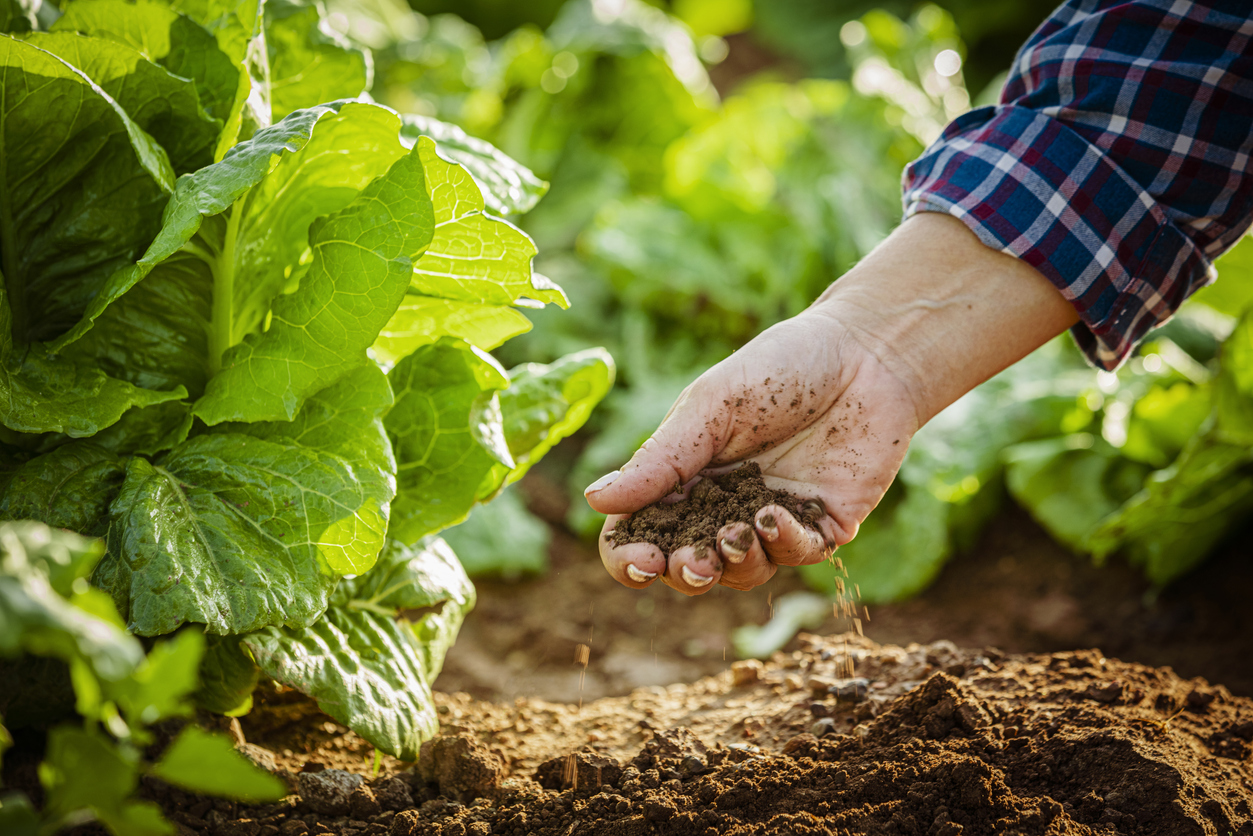
Along with the growing awareness of health and environmental sustainability, various environmentally friendly agricultural methods have developed, one of which is organic agriculture. Organic agriculture is a farming system that prioritizes the use of natural materials, such as compost, manure, and biological pest control, without relying on synthetic chemical pesticides. This method aims to maintain soil fertility, preserve ecosystems, and produce food that is safer for human health.
In practice, organic agriculture emphasizes the balance between humans, soil, plants, and the environment. The soil is treated as a living resource that must be preserved naturally. Therefore, the use of chemicals that may damage soil structure and pollute the environment is avoided. Through this approach, agricultural products are not only of high quality but are also produced through more ethical and sustainable processes.
From an Islamic perspective, the concept of food is not only related to its permissibility (halal), but also to its quality and goodness. Islam introduces the concept of halalan thayyiban, which refers to food that is lawful and also good, clean, and beneficial for the body. This principle is mentioned in the Qur'an, particularly in Surah Al-Baqarah verse 168:
يَا أَيُّهَا النَّاسُ كُلُوا مِمَّا فِي الْأَرْضِ حَلَالًا طَيِّبًا وَلَا تَتَّبِعُوا خُطُوَاتِ الشَّيْطَانِ ۚ إِنَّهُ لَكُمْ عَدُوٌّ مُبِينٌ
“O mankind, eat from whatever is on earth that is lawful and good, and do not follow the footsteps of Satan. Indeed, he is to you a clear enemy.”
The word thayyib in this verse has a broad meaning, referring to something that is good, clean, healthy, and not harmful. Therefore, food is not only judged by its legal status as halal, but also by its quality for human health and its impact on the environment. Food produced through processes that harm nature, contain dangerous substances, or threaten human health cannot fully reflect the value of thayyib.
In this context, organic agriculture can be associated with the concept of thayyib because its production process seeks to maintain the purity and goodness of food. Crops cultivated organically grow without exposure to synthetic chemicals that may harm human health. In addition, this practice preserves soil, water, and biodiversity, preventing environmental damage.
Organic agriculture not only provides health and environmental benefits but also aligns with Islamic values regarding the consumption of halalan thayyiban food. Through more natural and responsible farming methods, humans can fulfill their food needs while also maintaining their responsibility to protect the earth as a shared living space.